

circle mirror with led lights
Control Valve Types and Applications Control valves are essential components used in industrial processes for regulating fluid flow, pressure, temperature, and other key parameters. They play a crucial role in maintaining efficiency, safety, and reliability in various applications, including oil and gas, water treatment, chemical processing, and HVAC systems. Understanding the different types of control valves and their specific applications can help engineers and operators choose the right valve for their needs. Types of Control Valves 1. Globe Valves Globe valves are designed with a spherical body shape and are favored for their ability to provide excellent flow control. These valves are ideal for throttling applications, where precise regulation of flow is necessary. They are commonly used in steam, water, oil, and gas services. 2. Ball Valves Ball valves feature a spherical closure element that can rotate to control flow. They are known for their durability and high flow capacity. Ball valves are typically used for on/off applications but can also be utilized for throttling. Their quick operation and tight sealing make them suitable for applications in the oil and gas sector, as well as in water systems. 3. Butterfly Valves Butterfly valves consist of a rotating disc that regulates flow. They are lightweight, cost-effective, and require less space compared to other valve types . These valves are commonly used in large pipelines where quick shutoff is needed. Their applications include water supply, wastewater treatment, and HVAC systems. control valve types and applications 4. Diaphragm Valves Diaphragm valves use a flexible diaphragm to open and close the flow path. They are particularly effective in applications that involve corrosive or dirty fluids as they prevent contact between the fluid and the valve internals. Diaphragm valves are widely used in pharmaceutical, food processing, and chemical industries. 5. Check Valves Unlike other control valves, check valves are automatic valves that allow fluid to flow in one direction only. They prevent backflow, which can lead to contamination and damage in a system. Applications for check valves are prevalent in water and wastewater systems, as well as in various industrial processes. Applications of Control Valves Control valves are instrumental across numerous industries. In the oil and gas sector, they control the flow of crude oil, natural gas, and refined products, ensuring safe and efficient transport. In chemical processing, they regulate reactions and maintain optimal conditions for production. Water treatment facilities rely on control valves to manage the treatment process, ensuring safe and potable water supply. Moreover, in HVAC systems, control valves help manage heating and cooling processes, contributing to energy efficiency and comfort in residential and commercial buildings. In conclusion, the choice of control valve type greatly depends on the specific application and operating conditions. By understanding the different types and their appropriate uses, engineers can enhance system performance, reduce energy consumption, and ensure reliability in their operations.
about
circle mirror with led lights
Large Globe Valve An Essential Component in Fluid Control In industrial applications, the efficient management of fluid flow is crucial for maximizing operational performance and ensuring safety. Among the various types of valves employed in such systems, the large globe valve stands out as a vital component. Known for its distinctive shape and functionality, large globe valves are commonly used in a range of processes where flow regulation is necessary. A globe valve is characterized by its spherical body, where the flow of fluid is directed through a round port. This design allows for a more controlled and precise flow regulation compared to other valve types, such as gate or ball valves. In large applications, these valves are favored for their ability to handle high pressures and large volumes of fluid. Typically found in systems involving water, oil, steam, and other vital resources, large globe valves play an integral role in applications such as power generation, water treatment, and chemical processing. One of the primary advantages of using a large globe valve is its excellent throttling capability. When the valve is partially closed, it allows operators to adjust the flow to desired levels effectively. This characteristic proves vital in processes where maintaining specific flow rates is critical to operational efficiency . Furthermore, the globe valve provides a relatively tight seal when it is fully closed, minimizing the chances of leaks and ensuring that the system operates safely. Large globe valves are manufactured using various materials, including cast iron, carbon steel, stainless steel, and various alloys, depending on the application's requirements. The choice of material is essential, as it must withstand not only the pressure exerted by the fluid but also any corrosive properties of the fluid itself. For example, in chemical processing plants that handle aggressive substances, stainless steel or specialized alloys may be required to prevent premature valve failure and extend service life. large globe valve The design of large globe valves also facilitates maintenance and repairs. Most globe valves feature accessible internal components, making it easier for technicians to replace worn or damaged parts without needing to remove the entire valve from the piping system. This ease of maintenance translates to reduced downtime and lower costs, an essential aspect for industries that rely on continuous operation. In terms of installation, large globe valves require careful consideration of their orientation in the pipeline. They can be installed either vertically or horizontally, but the vertical installation is more common due to the valve design. Ensuring the correct orientation helps to maintain optimum performance and reduces the likelihood of operational issues down the line. However, like any mechanical component, large globe valves come with some limitations. Though they excel in throttling and flow regulation, they are not as efficient for completely shut-off applications compared to gate valves. When fully open, globe valves may create higher pressure drops due to their internal design, which can affect system efficiency in certain circumstances. Therefore, careful evaluation of flow requirements is essential when selecting the appropriate valve type for specific applications. In conclusion, large globe valves serve as a crucial element in the realm of fluid control, offering operators precision and reliability in managing the flow of various substances. Their unique design, coupled with the ability to handle significant pressures and flow rates, makes them indispensable in numerous industries. As technology advances and industries evolve, the role of large globe valves will continue to be a focal point in enhancing operational efficiency, safety, and sustainability in fluid management systems. Whether in power plants, refineries, or water treatment facilities, the application of large globe valves will remain a vital consideration for engineers and operators alike.
-

High quality industrial productsagement

High quality industrial products
View Details -

Meet the diverse needs of customers

Meet the diverse needs of customers
View Details -

Strict quality control

Strict quality control
View Details -

Top raw materials

Top raw materials
View Details -

Trusted supplier

Trusted supplier
View Details
Our application


news and information
Vente de clapets anti - retour
Vente de vannes anti-retour Un choix judicieux pour votre système hydraulique Les vannes anti-retou
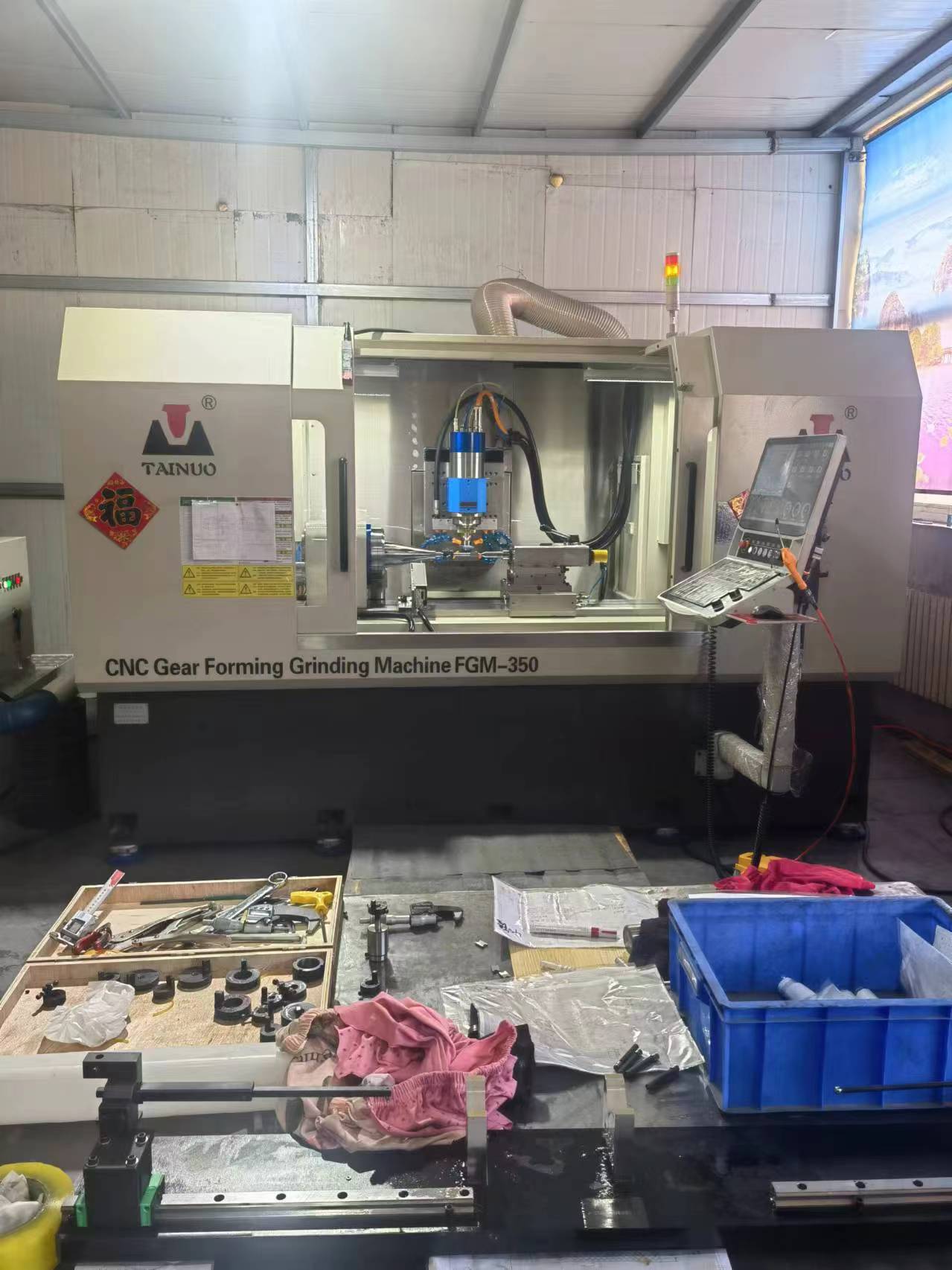
Using a Right Angle Ruler for Accurate Measure and Design in Everyday Projects
The Versatility of the Ruler with Right Angle A Tool of Precision and Creativity The ruler with a ri
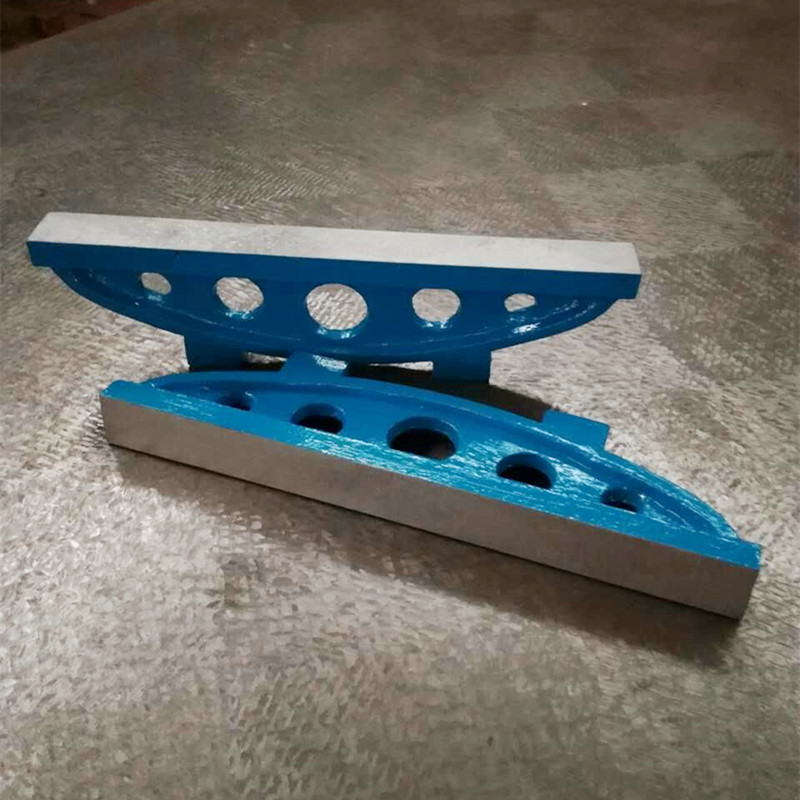
Versatile Clamps for Secure Welding Table Solutions and Projects
The Importance of Welding Table Clamps in Metalworking Welding table clamps are essential tools for
 English